



Our Best Selling Mattresses
Proven favourites for better sleep, night after night.


Shop Our Offers
Discover our latest offers and save on quality sleep essentials across the range.


Categories


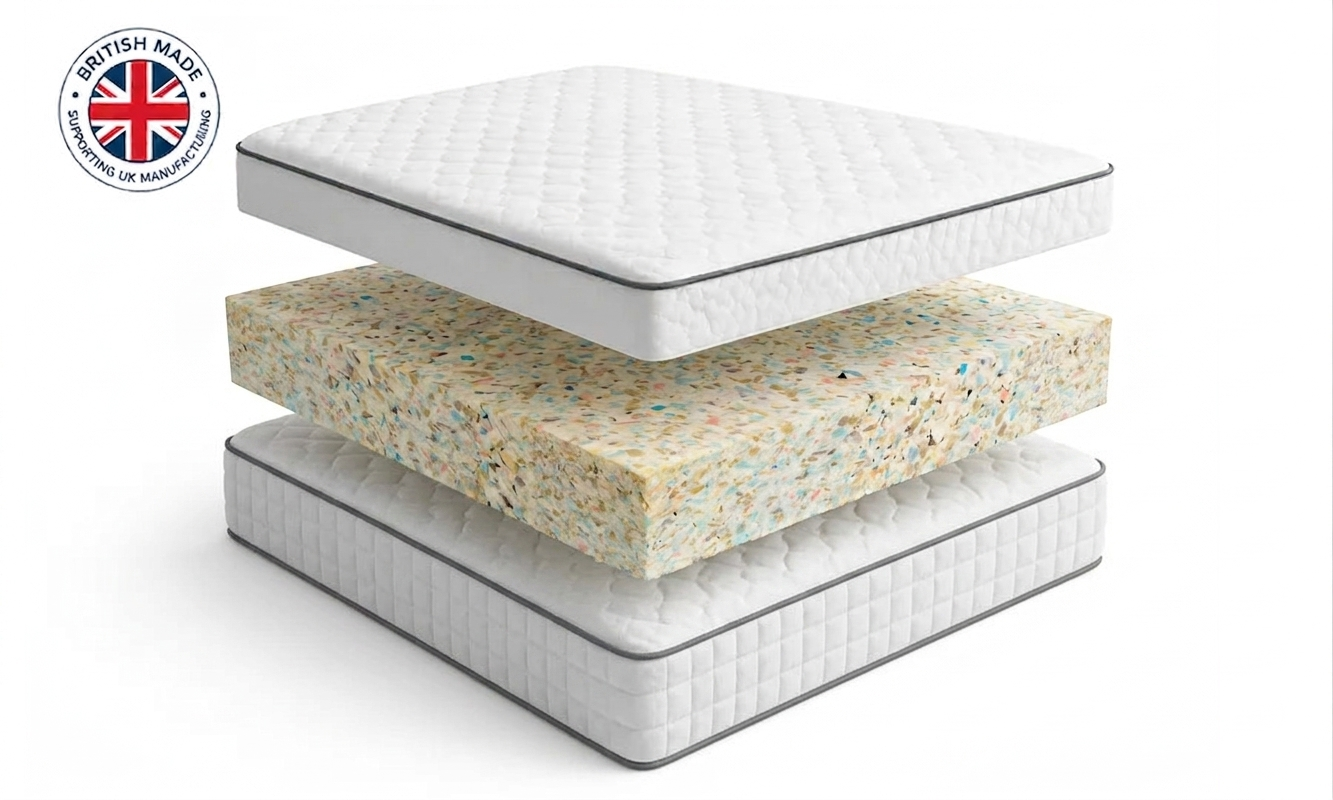

Ecofoam
Made from 100% recycled and re-engineered foam, we offer a more responsible alternative without compromising on quality or performance.
British Made
Lower Carbon Footprint
Resilient Re-engineered Foam
The Brand Behind Better Sleep
We are Memory Foam Warehouse, leading UK manufacturer and supplier of memory foam mattresses, toppers, pillows and more. We are dedicated to helping you sleep better, and we have over 100 carefully designed products available on our website to help us achieve just that.

British-made
Proudly British-made in our Yorkshire factory, every mattress is crafted with quality, comfort and durability in mind.

Trusted since 1970
We’ve been crafting memory foam mattresses since 2001, built on over 50 years of foam expertise that began with supplying products for the NHS.

Factory direct prices
The benefit of buying direct means you get access to high quality memory foam at a fraction of the price of some of the other well-known brands on the market.

5 star customer service
Here at Memory Foam Warehouse, we pride ourselves on our exceptional level of customer service. We’re friendly, helpful and we know our products inside out.
Blog posts

The Clocks Are Going Back: What Does It Really Mean for Your Sleep?
As the evenings get darker and temperatures begin to drop, there's one thing many of us look forward to in autumn: an extra hour in bed! On Sunday 25 October 2026, the clocks will go back by one hour, marking the end of British Summer Time (BST) and the return to Greenwich Mean Time (GMT). While the thought of an extra hour's sleep might sound appealing, changing the clocks can have more of an impact on our bodies than you might expect. So, what actually happens to our sleep when the clocks go back, and how can we make the most of the change? How Does the Clock Change Affect Your Body Clock? Our bodies run on an internal 24-hour cycle known as the circadian rhythm, often referred to as our body clock. This natural rhythm helps regulate when we feel awake, when we start to feel sleepy and how our bodies respond to light and darkness throughout the day. When the clocks go back, our daily routines suddenly shift by an hour. Although the change might seem small, our bodies don't necessarily adjust immediately. For example, if you usually wake up at 7am, your body may initially feel ready to wake at 6am after the clocks change. Equally, you might find yourself feeling sleepy earlier in the evening. The good news is that most people adjust to the change relatively quickly, particularly compared with losing an hour of sleep when the clocks go forward in spring. Does an Extra Hour in Bed Mean Better Sleep? An extra hour under the duvet certainly sounds like a bonus, but it doesn't automatically mean you'll wake up feeling more refreshed. Sleep quality is just as important as sleep quantity, and simply spending longer in bed doesn't guarantee a better night's rest. If you've been struggling with an inconsistent sleep routine, waking frequently during the night or finding it difficult to get comfortable, an extra hour might not make much difference. In fact, some people may find themselves waking earlier than usual, as their body clock is still following their previous routine. Rather than treating the clock change as an opportunity to dramatically change your sleeping habits, it's worth using it as a reminder to prioritise a healthy and consistent sleep routine. Why Do We Feel More Tired When the Clocks Go Back? Although we gain an hour, the clock change also means a noticeable shift in daylight. Mornings initially become lighter, while evenings get darker earlier. As we move further into autumn and winter, the overall number of daylight hours continues to decrease. Natural light plays an important role in regulating our body clock, helping us feel alert during the day and preparing our bodies for sleep at night. With darker evenings and less daylight overall, some people may notice changes in their energy levels, mood or sleeping patterns. And while it's tempting to blame the clocks for feeling tired, shorter days, busy routines and poor sleep habits can all contribute too. 5 Tips to Help Your Body Adjust to the Clock Change A few simple changes to your daily routine can make the transition easier and help you maintain better sleeping habits as we head into winter. 1. Stick to a Consistent Sleep Schedule Try to go to bed and wake up at roughly the same time each day, even at weekends. If you know you're sensitive to changes in your sleep routine, gradually adjusting your bedtime in the days leading up to the clock change may help your body adapt. 2. Make the Most of Morning Daylight With the clocks going back, mornings will initially become lighter, giving you a great opportunity to enjoy some natural daylight earlier in the day. Whether it's a short morning walk, having breakfast near a window or spending a little time outdoors, exposure to daylight can help regulate your body clock and support a healthy sleep-wake cycle. 3. Create a Relaxing Bedtime Routine As the evenings get darker, it's tempting to curl up in bed earlier than usual. However, keeping a consistent wind-down routine can help signal to your body that it's time to sleep. Try reducing screen time before bed, reading a book or taking a warm bath to help you unwind. 4. Make Sure Your Bedroom Is Sleep-Friendly Your sleeping environment can have a big influence on how comfortably you rest throughout the night. Aim to keep your bedroom cool, dark and quiet, and make sure your bedding is appropriate for the colder months. It's also worth considering whether your mattress and pillows are providing the comfort and support you need. An uncomfortable sleeping surface can make it harder to settle down and stay comfortable throughout the night. 5. Watch Your Caffeine Intake When the afternoons start feeling darker, reaching for another cup of coffee might seem like the perfect energy boost. However, caffeine can remain in your system for several hours and may make it more difficult to fall asleep later that evening. Try limiting caffeine later in the day and maintaining a relaxing evening routine to help your body prepare for rest. Make the Most of Your Extra Hour The clocks going back might mean darker evenings and a little adjustment to your usual routine, but it's also a good opportunity to reassess your sleeping habits. By maintaining a consistent sleep schedule, making the most of natural daylight and creating a comfortable sleeping environment, you can help support better sleep throughout the colder months. And while we can't control the clocks, we can make sure our bedrooms are ready for a good night's rest. At Memory Foam Warehouse, we believe comfort is an important part of a good night's sleep. From supportive mattresses to comfortable pillows and mattress toppers, explore our range of sleep essentials to help create a bedroom you'll look forward to relaxing in this autumn and winter.
Read more
Memory Foam vs Pocket Sprung: Which Mattress Is Right for You?
When it comes to choosing a new mattress, there's plenty to think about. From firmness and comfort to support and temperature, finding the right fit can feel a little overwhelming. Two of the most popular options are memory foam and pocket sprung mattresses. Both offer their own benefits, but they can feel quite different to sleep on. So, what's the difference, and which one is right for you? Let's take a closer look. What Is a Memory Foam Mattress? Memory foam mattresses are designed to respond to your body, gently contouring to your shape as you lie down. Rather than relying on springs, they typically use layers of foam to provide cushioning and support. One of the biggest advantages of memory foam is its ability to distribute body weight and relieve pressure around areas such as your shoulders and hips. Why choose memory foam? Pressure relief: The foam contours to your body, helping to reduce pressure on sensitive areas. Reduced movement transfer: Memory foam absorbs movement, meaning you're less likely to notice your partner moving during the night. Contouring comfort: Ideal for those who enjoy the feeling of being gently cushioned by their mattress. Choice of firmness: Available in different constructions and comfort levels to suit individual preferences. However, memory foam isn't necessarily for everyone. Some people find the close-contouring feel a little restrictive, particularly if they frequently change sleeping positions. Traditional memory foam can also retain heat, although modern cooling technologies are designed to help manage temperature. What Is a Pocket Sprung Mattress? Unlike traditional open coil mattresses, pocket sprung mattresses contain individual springs, each enclosed in its own fabric pocket. These springs move independently, allowing different areas of the mattress to respond to your body weight and sleeping position. Pocket sprung mattresses are often associated with a more traditional, responsive feel, providing support without quite the same sinking sensation as memory foam. Why choose pocket sprung? Responsive support: Individual springs adapt to changes in your sleeping position. Easier movement: The spring structure generally makes it easier to turn over or change positions during the night. Air circulation: Spaces within the spring system can help encourage airflow through the mattress. Individual support: Independently moving springs can accommodate different body weights, making them a popular choice for couples. It's worth remembering that not all pocket sprung mattresses feel the same. The firmness, spring design and comfort layers all influence the overall sleeping experience. Memory Foam vs Pocket Sprung: What's the Difference? While both mattress types are designed to offer comfort and support, the main difference comes down to how they respond to your body. Comfort and feel Memory foam offers a more cushioned, contouring sensation, while pocket sprung mattresses generally provide a springier, more responsive feel. Support Both mattress types can provide excellent support when you choose the right firmness and construction. Memory foam distributes pressure through its layers, while pocket springs respond individually to your weight. Temperature Pocket sprung mattresses can encourage airflow through their spring systems, while traditional memory foam may retain more body heat. However, cooling foams and breathable mattress covers can make a difference. Movement during sleep Memory foam is particularly effective at absorbing movement, which can be useful if you share a bed. Pocket sprung mattresses also reduce movement transfer compared with traditional interconnected spring systems, although this depends on their construction. Ultimately, neither option is automatically better than the other. The right choice depends on what feels most comfortable to you. Which Mattress Is Best for Your Sleeping Position? Your preferred sleeping position can also influence which mattress feels right. Side sleepers often benefit from a mattress with enough cushioning around the shoulders and hips. Memory foam can be a good choice thanks to its pressure-relieving properties, although pocket sprung mattresses with suitable comfort layers can work just as well. Back sleepers typically need a balance of comfort and support to help maintain a comfortable spinal position. Both memory foam and pocket sprung mattresses can offer this, depending on their firmness. Front sleepers may prefer a more supportive, firmer surface that prevents the hips from sinking too deeply. Again, mattress firmness is usually more important than the material alone. What About a Hybrid Mattress? Still can't decide? You don't necessarily have to choose between the two. Hybrid mattresses combine different materials, often bringing together the responsive support of pocket springs with the contouring comfort of memory foam. This means you can enjoy the cushioning benefits of foam alongside the movement and support offered by individually pocketed springs. At Memory Foam Warehouse, our pocket sprung memory foam mattresses combine these technologies, offering an alternative for those who want a balance between comfort and responsiveness. Whether you're looking for pressure-relieving comfort, responsive support or a combination of both, explore our mattress collection and find your perfect fit.
Read more
Is Your Bedroom Ready for Autumn? How to Create the Perfect Sleep Environment.
Get your bedroom ready for autumn with simple seasonal updates, from cosy bedding and softer lighting to creating a more comfortable sleep environment.
Read more